A real comparison — no fluff, no sponsored picks — so you can choose the right luggage before your next trip.
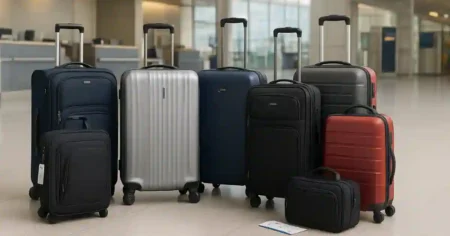
You’re standing in the luggage aisle — or scrolling through Amazon at midnight — and you’re stuck. Do you go with the sleek, shiny hard shell suitcase everyone seems to have now? Or do you stick with the classic soft shell luggage that’s always felt reliable?
The hard vs soft suitcase debate is one of the most common questions first-time luggage buyers Google — and the answer isn’t as simple as “one is better.” It depends entirely on how you travel.
I’ve used both types across dozens of trips. I’ll give you a straight answer based on real experience, not marketing copy.
Quick Answer:- Go hard shell if you check fragile items or travel frequently. Go soft shell if you pack overstuffed, use carry-on only, or need flexibility on the road. Both are good — it comes down to how you travel.
📚 Related Articles
- Best Carry-On Luggage for 2026 (Tested & Ranked)
- Best Lightweight Suitcases That Won’t Kill Your Back
- USA Carry-On Rules for 2026: TSA Size, Liquids & Battery Rules Explained
- 7 Best Checked Luggage for 2026: Hard Shell, Lightweight, & Budget Picks
What Is a Hard Shell Suitcase? (And When Should You Choose One?)
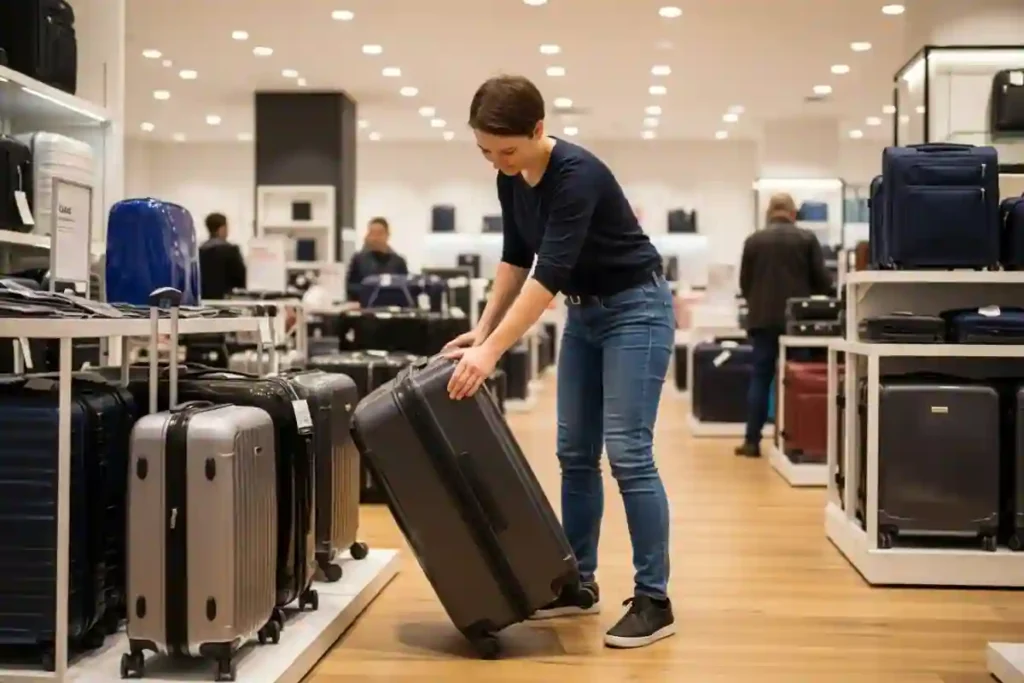
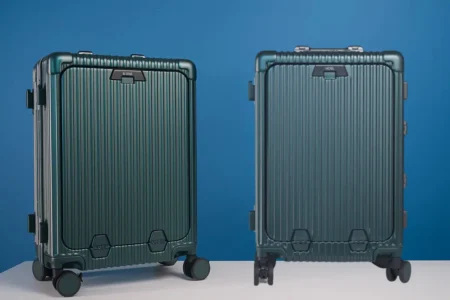
Hard shell suitcases have a rigid outer casing — usually made from ABS plastic, polycarbonate, or aluminum — that doesn’t flex when you press on it.
When most people picture a “modern” suitcase, they’re thinking of a hard shell. Brands like Samsonite, Away, and Rimowa have made these incredibly popular over the last decade.
The outer shell is tough, scratch-resistant (to a degree), and keeps its shape no matter what the baggage handlers do with it.
The most common materials you’ll see are:
Polycarbonate — Lightweight, flexible enough to absorb impact without cracking, and used in most premium hard-shell luggage. This is generally the best material for a hard case.
ABS plastic — Heavier and more brittle than polycarbonate. Common in budget hard shells. It can crack if handled roughly.
Aluminum — Ultra-premium, very durable, and iconic (think Rimowa). Also the heaviest option and the most expensive.
Travel tip: If you’re buying a hard shell, choose polycarbonate over ABS. It’s more expensive by $30–60 but significantly more durable and lighter. ABS cases look identical but crack far more easily on rough trips.
Not all hard-shell suitcases are built the same — the material makes a huge difference in durability and weight. Before choosing, read our Aluminium vs. Polycarbonate vs. ABS: The Ultimate Luggage Guide to avoid buying the wrong one.
What Is a Soft Shell Suitcase? (And Who Is It Best For?)
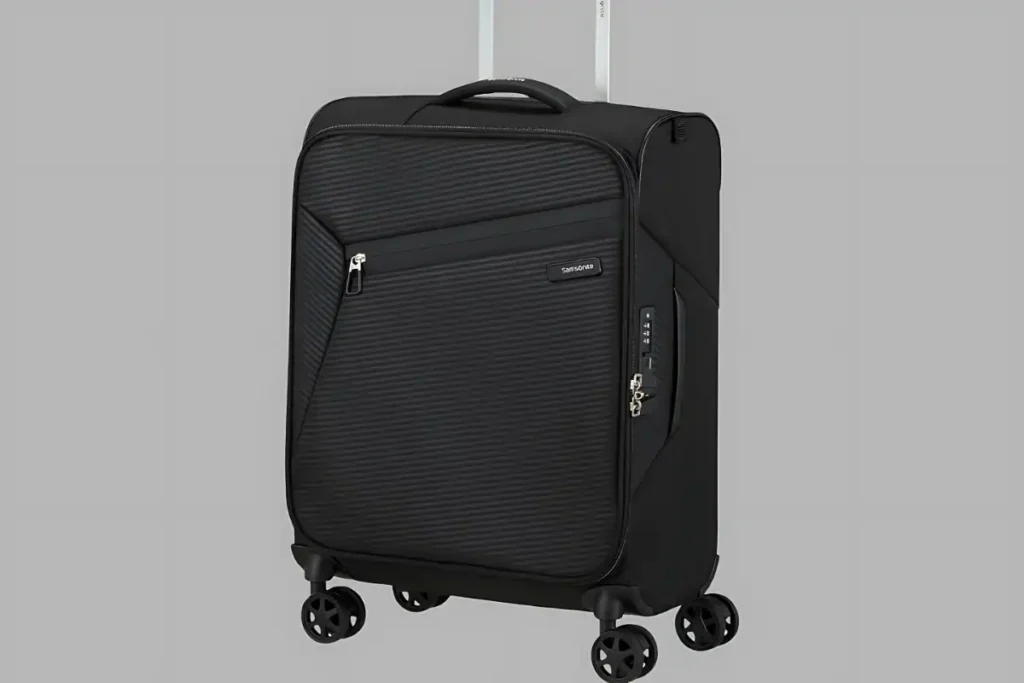
Soft shell suitcases have a flexible fabric exterior — usually nylon, polyester, or ballistic nylon — that gives when you press it.
Don’t mistake “soft” for “weak.” A quality soft-shell bag made with ballistic nylon (the same fabric used in military gear) can take a serious beating. The flexibility is actually an advantage in many situations — more on that below.
Soft suitcases also typically have exterior pockets, which hard shells almost never have. If you like being able to grab your passport or boarding pass without opening the whole bag, soft cases win easily here.
Soft suitcases haven’t gone anywhere — they’re still the best option for travelers who value flexibility over a polished look.
Hard Shell vs Soft Shell Luggage: Pros and Cons Side by Side
Here’s where things get real. Both types have genuine strengths and real weaknesses.
🧳 HARD SHELL
- ✔ Protects fragile contents well
- ✔ Easier to clean (wipe down)
- ✔ Keeps shape under pressure
- ✔ Looks sleek and professional
- ✔ Better at resisting moisture
- ✔ Spinner wheels roll smoother
- ✖ Can crack under extreme impact
- ✖ No exterior pockets
- ✖ Can’t compress to fit tight spaces
- ✖ Budget ABS versions are heavy
- ✖ Scratches and scuffs show easily
🎒 SOFT SHELL
- ✔ Flexible — squeezes into tight spots
- ✔ Exterior pockets for quick access
- ✔ Lighter (in many models)
- ✔ Easier to overpack slightly
- ✔ Cheaper at every price tier
- ✔ Tears and scuffs less visible
- ✖ Absorbs water if caught in rain
- ✖ Less protection for fragile items
- ✖ Can be punctured or slashed
- ✖ Harder to keep organized inside
Full Comparison Table
A detailed look at every factor that matters when buying a suitcase.
| Factor | Hard Shell | Soft Shell | Winner |
|---|---|---|---|
| Durability | Rigid shell, impact-resistant. Polycarbonate flexes; ABS may crack. | Ballistic nylon resists tears. Fabric wears with heavy use. | Hard Shell |
| Weight | Polycarbonate is very light. ABS can be heavy. | Generally lighter across the board, especially budget options. | Tie |
| Packing Flexibility | Fixed internal volume. Can’t compress. | Slightly flexible. Can squeeze into tighter spaces. | Soft Shell |
| Security | Harder to slash or break into quickly. | Fabric can be cut. Zippers can be forced. | Hard Shell |
| Exterior Pockets | Rarely, almost never. | Almost always — usually 2–4 exterior pockets. | Soft Shell |
| Water Resistance | Shell repels water easily. Interior stays dry. | DWR coatings help, but fabric absorbs moisture in heavy rain. | Hard Shell |
| Price | Mid to high range. Budget ABS = $60–$120. Polycarbonate = $150–$400+. | Lower across the board. Quality soft cases start at $50–$80. | Soft Shell |
| Ease of Cleaning | Wipe with a damp cloth. Done. | Fabric stains can be tricky to remove fully. | Hard Shell |
| Organization Inside | Usually two mirrored halves with straps. Clean but rigid. | Often includes mesh pockets, dividers, and better internal layout. | Soft Shell |
| Overhead Bin Fit | Fixed size — if it fits, it fits. If not, it won’t compress. | Can compress slightly to wedge into a tight bin. | Soft Shell |
| Appearance | Modern, polished, professional. | More casual, traditional. Wide variety of colors and styles. | Personal Preference |
Which Suitcase Is Better — Hard or Soft? (By Travel Type)
The “better” suitcase is the one that matches how you actually travel — not what looks good on paper.
Choose a Hard Shell If You…
Travel With Fragile Items
Camera gear, bottles of wine, souvenirs — a rigid shell keeps the pressure off. It’s the only type that really protects breakables in checked luggage.
Check Luggage Frequently
Baggage handlers aren’t gentle. Hard shells hold their shape no matter what gets stacked on top of them on the carousel.
Business Travel
The clean, modern look of a hard shell fits the business traveler aesthetic — and it wipes clean before an important meeting.
Traveling to Wet Climates
If you’re landing in a monsoon or passing through a rainy outdoor baggage area, a hard shell keeps moisture out far better.
Choose a Soft Shell If You…
Carry On Only
Soft bags can compress slightly to fit into overstuffed overhead bins. That little bit of give has saved many travelers from gate-checking their bag.
Long Road Trips or Backpacking
Packing and repacking daily means you need exterior pockets and flexibility. Soft shells were built for this kind of travel.
Tight Budget
At every price point, soft shell bags give you more quality per dollar. A $70 soft shell beats a $70 hard shell every time.
Overpacking Tendencies
If you always end up with more than you planned, a soft bag lets you pack that extra sweater or pair of shoes without forcing a zipper.
The two-bag trick: Many frequent travelers own one of each. They use the hard shell for longer international trips with checked baggage, and a soft carry-on for shorter domestic trips. If your budget allows, this is genuinely the best of both worlds.
What About Material Quality?
This matters more than hard vs soft in many cases. A cheap ABS hard suitcase will crack faster than a quality nylon soft case. Here’s what to actually look for:
For hard shells: Look for polycarbonate construction (not ABS), a YKK zipper (if it has one), and at least 4 spinner wheels. Avoid single-ply ABS at all costs.
For soft shells: Look for ballistic nylon (840D or higher) or Cordura fabric — not thin polyester. Quality zippers (YKK or SBS branded) are a must. Cheap zippers are the first thing to fail on a soft bag.
Best Hard & Soft Suitcases: Our Top Picks for 2026
Now that you know which type suits your travel style, here are the specific bags worth your money — tested, researched, and recommended without brand bias.

Samsonite Omni PC Hardside
The most popular hard shell in America for good reason. Made with 100% polycarbonate, smooth spinner wheels, and a built-in TSA lock. Built to handle real travel without cracking.
- Polycarbonate (not ABS)
- Expands 1.5″ for extra packing
- Lightweight for its size
- 10-year limited warranty

Away The Carry-On (Hard Shell)
Away’s flagship carry-on is built from German polycarbonate and comes with a built-in ejectable battery for charging your phone — a genuine upgrade over anything in this price range.
- German polycarbonate shell
- Built-in USB charger (removable)
- Premium 360° smooth-gliding wheels
- Airline Approved TSA Lock

Rockland Melbourne 20″ Carry-On
If you need a hard shell on a tight budget, Rockland is the most reliable option under $60. ABS construction (not polycarbonate), so don’t check it with heavy loads — but fine for carry-on use.
- ABS — ok for carry-on use
- Best hard-shell value under $60
- Multi-directional double spinner wheels
- Wide color selection
Best Soft Shell Suitcases

American Tourister 4 KIX 2.0
The best value soft-shell suitcase you can buy right now. American Tourister (owned by Samsonite) makes this one from durable fabric with great spinner wheels — ideal for frequent flyers on a budget.
- Durable woven fabric exterior
- Multiple exterior pockets
- Smooth 4-wheel spinner
- Perfect for a 3-5 day trip

Travelpro Platinum Elite
The suitcase flight attendants actually choose. Travelpro’s Platinum Elite is made from high-density nylon, has a contoured handle system, and the spinner wheels glide better than anything at twice the price.
- High-density nylon — not polyester
- Used by airline crews worldwide
- Magnetic zipper pulls (satisfying)
- Lifetime warranty + free repairs

AmazonBasics Softside Spinner
No frills, no nonsense. If you need a functional soft suitcase without spending much, AmazonBasics delivers. The fabric is polyester (not nylon) so it’s not built for frequent travel — but for occasional trips it works fine.
- Polyester — good for casual travel
- 360-Degree Multi-directional Spinner Wheels
- Side pockets for quick access
- Expandable zipper design
Quick cheat sheet: Best hard shell on a budget → Samsonite Omni PC. Best splurge hard shell → Away Carry-On. Best soft shell on a budget → American Tourister Moonlight. Best soft shell for frequent flyers → Travelpro Platinum Elite.
Final Verdict – So — Which Is Actually Better?
Honestly? Neither is universally better. But here’s how I’d put it simply: if you’re buying one suitcase to check on international flights and want maximum protection, get a polycarbonate hard shell.
If you’re buying a carry-on, doing road trips, or just need a reliable everyday bag on a budget, a quality soft shell is the smarter pick.
The biggest mistake people make is buying a cheap hard shell thinking they’re getting the best of both worlds. A $60 ABS hard case is worse than a $60 soft case — every time. Spend more on the hard shell, or spend less on the soft one.
Frequently Asked Questions
Is a hard or soft luggage better for cheeked luggage?
Hard suitcases are the better choice for checked luggage. They protect fragile items and resist rough handling at baggage claim- bags get stacked, thrown, and squeezed together, and a rigid shell holds up much better than fabric in those conditions.
Are soft suitcases easier to fit in overhead bins?
Yes, in tight situations. Because the outer fabric can compress slightly, soft suitcases can sometimes squeeze into an overhead bin where a hard shell simply won’t fit. This is especially useful on budget airlines with smaller bins.
Which Suitcase type is more durable overall?
This depends on the material. A polycarbonate hard shell is more resistant to crushing and impact than any fabric bag. But a ballistic nylon soft shell resists cuts and abrasion better than cheap ABS plastic. Quality matters more than hard vs soft when it comes to long-term durability.
Are hard suitcases heavier than soft ones?
Not necessarily. Premium polycarbonate hard shells are surprisingly lightweight. Budget ABS hard cases, however, tend to be heavier than equivalent soft bags. If weight is a concern, check the actual listed weight before buying – don’t assume.
Can a hard suitcase crack during travel?
Yes- especially cheaper ABS plastic models. Polycarbonate is designed to flex under pressure and is much more crack-resistant. If you’re worried about cracking, choose polycarbonate and avoid bright solid color ( cracks are less visible on textured or multicolour finishes).
This article reflects independent research and real travel experience. We don’t receive compensation for specific brand recommendations. Prices mentioned are approximate and may vary by retailer and region.