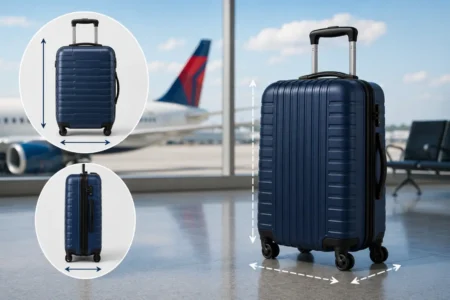
Suppose you show up at the cruise terminal and watch security drop your favorite power strip or bottle of wine into a confiscation bin. In that case, the start of your trip feels rough. New luggage rules on many cruise lines in 2026 changed what you can bring, how much you can pack, and how your bags get to your cabin.
This guide breaks down the 10 most important rules every cruiser needs to know so you avoid surprise bans, late bags, and cramped cruise ship rooms. You will learn what you cannot bring, what is actually essential, and how to use your Space like a pro for your next ultimate cruise.
10 Cruise Luggage Rules in 2026 (What’s Allowed & Banned)
Rule 1: Cruise Lines Allow More Bags Than Airlines, But Space Is Your Real Limit
Most people think cruise luggage rules are like airline rules. They are not. For Baggage on a cruise, the real limit is your tiny cabin (Ship), not the number of bags the cruise line will accept.
Here is what some major lines recommend per person:
- Royal Caribbean: about two bags per Passenger
- Carnival Cruise Line: one to two bags
- Disney: two bags at 50 lbs each
- MSC: strictest, about 100 kg total or up to eight pieces per cabin
The good news is simple. Most cruise lines also say there are no standard baggage fees for normal bags. Unlike an airline that charges $30 to $75 per checked bag, the bags you bring on a ship do not cost extra. That can save a reasonable amount of money, especially if you usually fly with extra luggage.
The problem is not policy. It is physics.
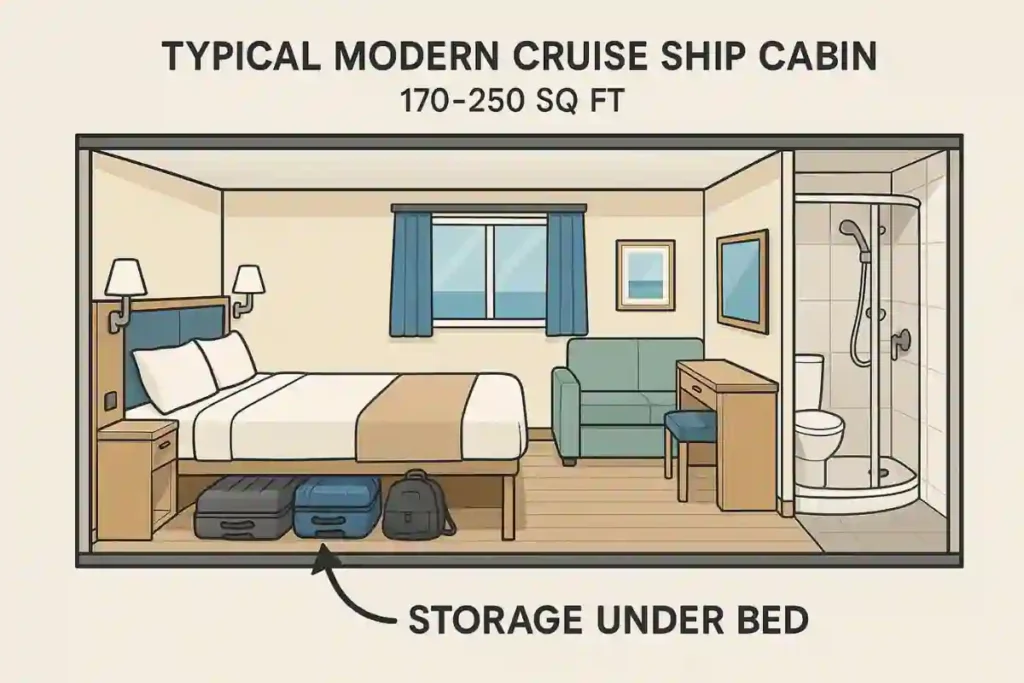
Typical cruise ship cabins are around 170 to 250 square feet. Once you add the bed, bathroom, and maybe a small sofa, you have roughly 70 to 100 square feet of open floor space left. One large suitcase takes about 2.5 square feet. Two medium bags use another 3 to 4 square feet.
Bring six big bags, and you can lose 15 square feet or more. That turns your room into a maze of Clothing and bag piles. Cabin clutter turns your room into a maze and can even create a fire risk if you block paths.
Most beds in modern cruise cabins have 12 to 14 inches of Space under them. Use that Space. Slide your suitcase or piece of luggage under the bed as soon as you unpack.
A few quick tips to get your luggage right:
- Think about what you truly need to bring for a cruise of your length.
- Use a garment bag only if you have formal wear that must hang.
- Make sure each suitcase does not weigh more than you can safely lift up the stairs..
- If you want to carry fewer bags, plan to pack light and do Laundry on board.
The ship will likely allow you to bring more bags than you should. Your Space in the room is the true cap on how much luggage to carry.
Rule 2: The 3 Most Commonly Confiscated Items in 2026
Security is particularly vigilant about fire safety and alcohol rules. Violating these rules is the single fastest way to have your luggage held until the last night of the cruise, potentially disrupting your entire trip.

1. Irons and Steamers: Big Fire Risk
All major cruise lines strictly ban clothes irons and steamers. These devices feature high-wattage heating elements and are considered a major fire hazard in the tight, often unsupervised confines of a stateroom. This includes travel irons and full-size steamers.
- Allowed: Hair tools like curling irons, hair straighteners, and wands are generally permitted because they are designed to shut off automatically and have lower, more controlled heating elements. Always unplug them before leaving your cabin.
- Alternative: If you need to smooth wrinkles, check your ship’s amenities. Many lines (including Carnival, Disney, and Princess) offer self-service laundry rooms that provide complimentary irons and ironing boards for guest use.
2. Power Strips, Outlets, and USB Hubs
Due to electrical capacity concerns, surge protectors are banned on every ship. Beyond that, policies have recently tightened:
- Royal Caribbean: Since September 2024, Royal Caribbean has banned virtually all multi-plug power strips and outlet extenders that contain AC plug sockets.
- What to Bring: Focus on non-surge-protected devices that only create USB charging ports (often called USB charging hubs or blocks). These are generally permitted on all cruise lines, including Royal Caribbean and Celebrity.
- Tip: Always consult your cruise line’s official list of prohibited items before you pack a charger.
If you want to bring chargers that follow current rules, look at a safe USB-only unit like the Anker Charger (perfect for Royal and Celebrity) or a Travel Power Strip with no surge protector where allowed.
3. Alcohol Rules, Smuggling Tricks, and Confiscations
All major lines have clear restrictions designed to manage on-board sales and prevent dangerous leaks:
- No Hard Liquor or Beer in any luggage (checked or carry-on).
- Wine/Champagne Exception: You can usually bring a small amount of wine or Champagne (often one 750ml bottle per person over 21).
- Crucial Rule: Wine or Champagne must go in your carry-on bag (hand luggage), not checked luggage. If a bottle breaks in the checked baggage pile, the resulting mess can ruin other passengers’ clothing and disrupt the ship’s baggage process.
Many travelers once used methods like the old “mouthwash trick” to hide alcohol in colored bottles. However, security teams are now vigilant about such tactics, often using advanced X-ray detection and even tracking social media trends.
Guests caught sneaking alcohol in fake containers risk immediate confiscation and may face further disciplinary action.
Rule 3: Updated Bans and Restrictions You May Not Know (Effective 2026)
Recent years have brought a wave of new luggage restrictions and security rules. While some seem obvious, others can surprise many cruisers at the terminal.
Here are key items that are now more likely to be pulled or confiscated at check-in:
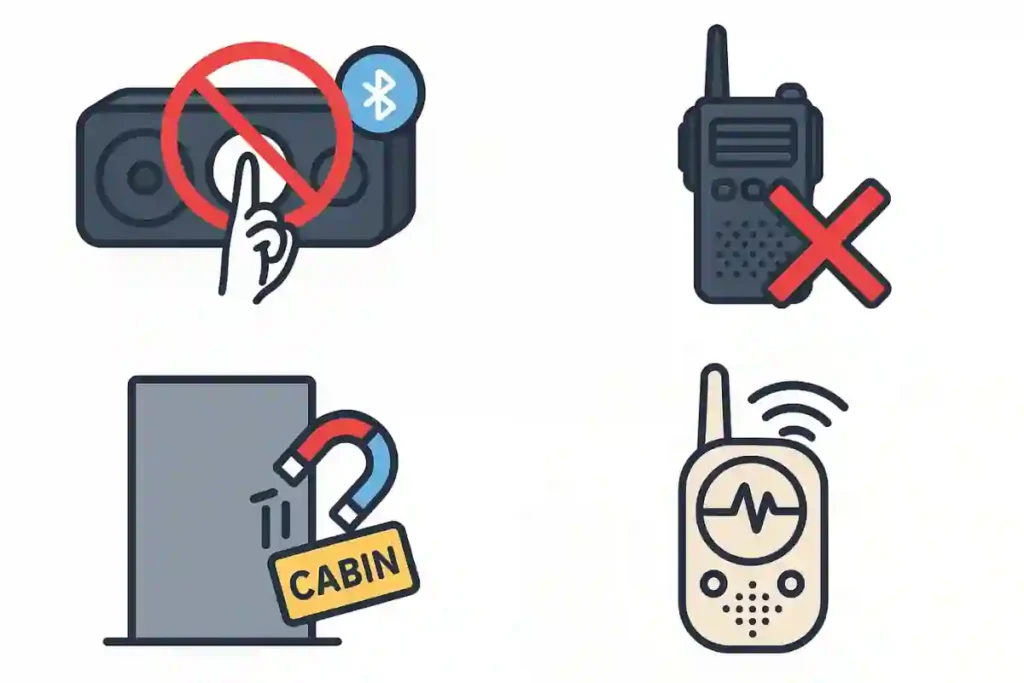
- Bluetooth Speakers on Carnival: Carnival Cruise Line now restricts portable Bluetooth speakers due to noise concerns. Sound in interior cruise ship cabins travels easily through thin walls, ruining sleep for light sleepers in adjacent rooms. If you want music, use headphones instead of speakers.
- Door Decorations on Norwegian: Norwegian Cruise Line (NCL) now bans all door decorations, even magnetic or paper ones. Safety teams raised concerns that these items could violate fire codes or potentially block access for crew members during an emergency. Save the decor for home!
- Drones: Policies vary significantly. MSC Cruises allows you to bring a drone on board, but strictly prohibits flying them anywhere on the ship or at sea. Disney Cruise Line, on the other hand, bans them outright. Given the tight drone regulations in most ports of call, these devices are rarely worth the hassle and are often best left at home.
- Walkie-Talkies: Several lines, including Norwegian Cruise Line, found that walkie-talkies can interfere with critical ship communication systems and emergency radios. They are increasingly being added to the list of items you cannot bring.
- Toy Weapons: For safety reasons, most toy weapons are now banned. Disney Cruise Line keeps pirate fun alive by allowing soft pirate swords for costume nights. Still, all toy guns are strictly prohibited—even bright plastic ones. Security at every port takes this policy very seriously.
- Baby Monitors on Royal Caribbean: Royal Caribbean International bans baby monitors because their signals can interfere with the ship’s navigation and safety systems. If you sail with a child, plan to check on them in person instead of relying on a monitor.
- Portable Fans: Rules have tightened considerably. While some lines used to ignore small personal fans, restrictions are now more common. Some lines allow only small battery-operated or small plug-in fans if approved by security. Large box or tower fans are banned on nearly all ships due to fire and power concerns.
- Homemade and Fresh Food: All major lines now ban homemade and fresh food brought from home. Only sealed, pre-packaged snacks are permitted. This rule is applied strictly—one guest who baked muffins for their steward watched security toss them in the trash.
The pattern is clear: Baggage rules are getting tighter, and security staff are highly trained to spot common tricks and banned gear. Many cruisers who used to push the limits now see their items confiscated at the cruise embarkation port.
Check the Official Sources: Always verify the latest, specific policies for your sailing.
- Royal Caribbean Prohibited Items List
- Carnival Cruise Line Restricted Items Policy
- Disney Cruise Line List of Prohibited Items
Rule 4: No Bag Fees, But There Are Hidden Costs
On a cruise, most standard Baggage is free to check. Royal Caribbean International, Carnival Cruise Line, Disney, Norwegian, Princess, and MSC all say they do not charge normal fees for luggage.
The costs show up elsewhere.
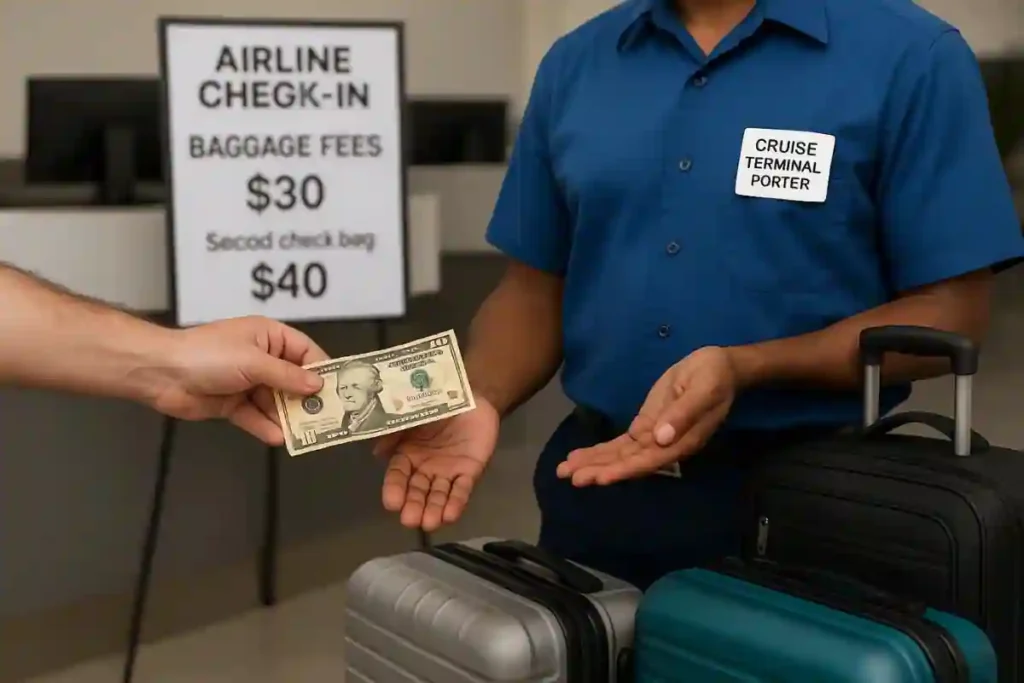
At the curb, a porter handles your suitcase and other Hand luggage. Porters work mostly for tips. A common tip per bag is about $1 to $2.
Many people give $5 for a couple of bags or $10 for three or four. Larger groups who hand over many bags may tip $20 or more. Keep small bills handy to avoid stress.
You still pay an Airline to get to your Airport and Airport check-in. If your embarkation port is far from home, each Flight may charge $30 to $75 for each checked suitcase and carry-on-sized item. That is not the ship’s fault, but it is money out of your Wallet.
Some cruise line services and third-party companies will pick up your Baggage from the ship and send it to an Airport or your Hotel.
These can cost $90 to $250 or more per bag. A company like Luggage Forward can cost $95 to $365 or more, depending on distance and time.
For a short Caribbean cruise itinerary, that usually is not worth it. For a luxury cruise in Europe or a long trip where you want to bring a lot of Clothing, the math may work.
Always compare the total cost of shipping against simply checking a case and carry-on suitcase with your Airline.
Check the New USA Travel Rules Changes in 2026: TSA’s New Rules Every Traveler Must Know – Stricter Bag Rules
Rule 5: Your Bags May Arrive Late, So Build a Carry-On Survival Kit
When you board at the Maritime passenger terminal, you hand most of your luggage to a porter. The crew then screens each checked bag with X-ray gear and sends it to the right deck. This whole process can take several hours.
On busy days, it can take a few hours more than you expect.
Many cruise experts report:
- Bags often reach rooms between 4:00 and 6:30 p.m.
- On larger cruise ships with thousands of guests, luggage sometimes shows up after sail away
- If you choose early Dinner at the Restaurant, you may not have your nice clothes in time
That is why your small carry-on or small bag is your lifeline. Treat it like a survival kit. Pack your:
- Travel document and cruise documents
- Passport, Credit card, Wallet, and Insurance papers
- Medication and any prescription drug for pain, disease, or motion sickness
- Swimsuit, Towel, Sunscreen, Hat, and Sunglasses for the pool or Beach
- Simple change of Clothing for Dinner
- Basic personal care products like Shampoo, deodorant, and a Mask if you like to wear one
- Phone, charger, and a small Backpack or Handbag
Some lines offer paid priority programs that move your Baggage up the list. Suites on many cruise ships often get early delivery. Carnival sells Faster to the Fun, Royal Caribbean sells The Key, and Norwegian offers its own priority boarding packages. Besides early access to the ship, you usually get faster luggage delivery too.
While those packages cost extra, they help if you have an early Dinner, kids who need clothes, or you simply want to bring fewer items in your carry-ons.
Rule 6: Medical Gear Is Welcome, But You Must Notify Early
If you travel with a CPAP machine, scooter, Medication, or other health Gear, cruise lines welcome you. They simply need notice.
Royal Caribbean International asks guests to email their special needs team at least 30 days ahead. Norwegian has a form and a questionnaire. MSC and others also request details in advance.
The cruise line wants to make sure your cabin door is wide enough, hallways stay clear, and there is room to store mobility gear. That helps every Passenger stay safe during an emergency.
If you rely on a CPAP, pack it in your carry-on luggage so it never leaves your sight. Put backup Medication in your Hand luggage with extra in case your Flight is delayed.
Always get an email confirmation when you submit special requests. Bring printed copies of your Travel documents to show at check-in if needed.
Rule 7: Luggage Tags Are Not Optional
A printed luggage tag is the only way your luggage finds the right cabin on such a large Ship. Without one, your bag may sit alone in a corner of the terminal.
Before you leave home, download and print the tags from your cruise line account. Fill in your name, phone number, Ship name, sailing date, and cabin number.
Many travelers use clear tag holders to protect their tags. You can buy cruise tag holders, like the ones for Carnival or Royal, on Amazon in a four-pack. They cost less than a few dollars each and protect paper from rain or rough handling.
Attach your tags the morning you leave for the cruise terminal, not before your Flight. If you put a cruise tag on too early, an Airport worker might confuse it with an airline tag.
When you hand your Baggage to the porter, leave zippers unlocked or use a simple TSA-style lock. Security has the right to open any bag that looks suspicious on X-ray. The line is not responsible if a lock is cut to remove a banned item you tried to carry.
Rule 8: Mid‑Cruise Luggage Problems You Rarely Hear About
Most people only think about luggage on embarkation day. A few smaller issues pop up mid-trip.
Cabin Safes Are Not Perfect
The little safe in your cabin is better than leaving items out, but it is not like a bank vault. Many use factory codes such as 0000 or 1234. Some are not bolted down.
Protect your Jewellery, Passport, and other valuables with a second level of security:
- Change the code as soon as you board
- Split valuables between the cabin safe and a second hidden spot, like a zipped pocket in a jacket
- Use the main safe at guest services for your most expensive items
If you carry a lot of cash or jewelry on a luxury cruise, consider a small portable safe that fits in your suitcase.
Shopping and Storage
At sunny Caribbean ports of call, you may buy coffee, Soft drink syrups, clothes, or souvenirs. If you have already packed your room full of bags, these new items may not have a home.
A simple fix is a foldable Backpack or tote. A light pack like the Lightweight Packable Backpack Foldable Backpacks Water Resistant folds flat in your luggage and opens up to carry more home. Some guests use shipping services in port shops to mail back breakable items for $15 to $30 per box.
If you like to bring snacks or small gifts, leave some extra room in at least one suitcase.
Rule 9: Self-Carry vs Checked Bags, And Why a Hybrid Wins
You have two main choices when you board: carry all your luggage yourself or hand most of it to the porter.
Self-carry means you keep your Suitcase and Hand luggage with you until your room is ready. You have everything with you, but you must drag every bag through security, up ramps, and around crowded halls. That can be rough for older guests or families.
Checking your Baggage with a porter is easy. You drop it at the curb, walk on with just a small carry-on, and explore. The tradeoff is time. It may take several hours before you see your bags again.
For many cruisers, a hybrid works best:
- Check one or two large bags with most of the Clothing and shoes
- Keep a suitcase and carry-on suit or case, and carry-on suitcase with cruise essentials and valuables
- Put your first-night outfit, swimwear, and Medication in your carry-on bag
That simple plan protects your important items and avoids physical strain. It also matches how many travelers already pack for flights.
If you want to carry less, remember that Self-service laundry facilities on many ships let you wash clothes for a few dollars a load. That means two pieces of luggage can cover a longer trip if you wash mid-sailing.
Rule 10: Smart Packing Hacks, Magnetic Hooks, and Cubes
You do not need a mountain of gear to have a smooth trip. A few smart tools turn a tight cabin into a tidy space.
Magnetic Hooks and Vertical Space
Most walls and doors on a cruise ship are metal. That means strong magnetic hooks change everything.
A set of hooks, such as magnetic hooks for cruise cabins, costs very little and weighs almost nothing. Use them to hang:
- Wet Swimsuits in the bathroom
- Hat, lanyard, or light Clothing near the door
- A mesh Laundry bag on the wall
- Towels or a shower caddy for personal care products
One guest even uses hooks to hang a small fan safely off the ground in their cabin, where allowed.
Underbed Space and Pop‑Up Hampers
The Space under the bed is prime luggage storage. Slide empty Suitcases under there as soon as you unpack. Some people keep one open with a Handy Laundry Collapsible Mesh pop-up hamper inside. That way, dirty clothes have a clear home and are ready for laundry day.
Suppose you use compression or vacuum-seal bags for travel. In that case, you can shrink bulky items like jackets so one suitcase handles much more.
Packing Cubes, Organizers, And Toiletry Bags
Packing cubes keep Clothing in neat blocks. You can color-code by family member or by type, such as shirts in one cube and shorts in another. They also make unpacking faster. Pull cubes out, drop them into drawers, and you are done.
A hanging toiletry kit, like the Hanging Toiletry Bag, keeps Shampoo, Sunscreen, personal care products, and makeup off the small bathroom counter. Hang it on a hook and zip it shut when you move.
Over‑door organizers work well, too. They turn the back of a door into a wall of pockets for Gear, Medication, cords, and small items.
Tech And Small Extras
A few more items that make every cruise smoother:
- A USB hub or safe charger like the USB-C Wall Charger for your phone
- A small power bank so you can board in your carry-on luggage and still charge devices on the go
- An AirTag or similar tracker inside each suitcase so you can see where your Baggage is
- A good Lanyard to hold your key card so you do not lose it on the ship
And here is one final habit many cruisers swear by:
Lay out everything you want to bring, then put half back.
Since ships provide pool towels, hair dryers, food, and many basics, you do not need to bring everything from home.
Focus on cruise essentials, like Medication, Travel documents, and comfortable clothes, and leave the rest.
Final Thoughts: Pack Smart, Sail Smooth
The new luggage and baggage rules on many cruise ships are not there to ruin your trip. They protect you from fire, spills, and crowded halls. When you know what you are allowed to bring, what you cannot get, and how long it can take for bags to reach your room, you can plan with confidence.
If you treat your carry-on bag as your lifeline, use smart tools like magnetic hooks and cubes, and respect each cruise line’s rule about what you also bring, your next sailing will feel calm instead of stressful.
If you found these cruise tips helpful, share your biggest packing win or fail, and let me know in the comments what you always want to bring on every cruise. Smart planning turns any trip, from a quick getaway to a long luxury cruise, into smooth, happy days at sea with fewer surprises and more Drinks, sunsets, and memories.
❓ Frequently Asked Questions (FAQ)
Q1: Are power strips or extension cords allowed on cruise ships in 2026?
No, most cruise lines strictly ban traditional surge-protected power strips and extension cords due to fire safety concerns related to the ship’s electrical system. However, most lines do allow simple, non-surge-protected USB charging hubs or multi-plug outlet extenders that have no electrical cord.
Q2: Why are clothes irons and steamers banned, and what can I use instead?
Irons and steamers are banned on all major cruise lines (including Carnival, Royal Caribbean, and Disney) because their high-wattage heating elements are considered a major fire hazard in the small, tight confines of a stateroom. You can usually find complimentary irons and ironing boards in the ship’s self-service laundry rooms, or you can opt for wrinkle-release spray.
Q3: Can I bring a drone on my cruise ship?
Policies vary significantly by cruise line. Some lines, like Disney Cruise Line and Princess Cruises, ban them entirely. Others, like Royal Caribbean and Carnival, allow you to bring them on board, but strictly prohibit flying them from the ship, at sea, or at private destinations (like CocoCay). If allowed, they must be used only on land at ports of call and stored securely in your cabin when not in use.
Q5: What is the single most common item that gets confiscated at cruise check-in?
The most common item confiscated is a surge-protected power strip or extension cord. Other frequently confiscated items are illegal quantities of alcohol, irons/steamers, and sometimes hot plates or electric blankets. Security will hold these items and typically return them on the last night of your cruise.